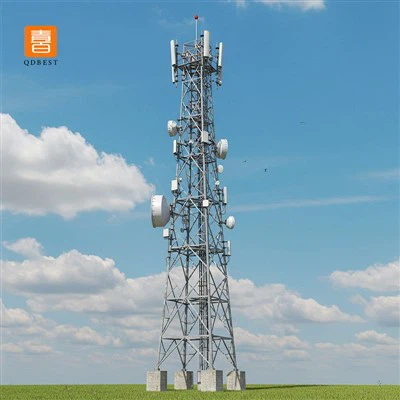
GSM communication monopole towers are integral components of modern telecommunication infrastructure, facilitating seamless communication across vast areas. In this blog, we will delve into the maintenance requirements for the antennas on a GSM communication monopole tower, highlighting the importance of regular upkeep and providing practical insights for optimal performance.
Understanding the Role of Antennas on GSM Communication Monopole Towers
Antennas are the primary interface between the tower and the surrounding environment, transmitting and receiving radio signals to enable mobile communication. On a GSM communication monopole tower, antennas are strategically positioned to cover specific areas, ensuring maximum signal strength and quality. These antennas are designed to operate within specific frequency bands and are subject to various environmental factors that can affect their performance over time.
Environmental Factors Affecting Antenna Performance
The performance of antennas on a GSM communication monopole tower is significantly influenced by environmental factors such as weather conditions, pollution, and physical damage. Exposure to extreme temperatures, humidity, and precipitation can cause corrosion, oxidation, and degradation of antenna components, leading to signal loss and reduced efficiency. Additionally, pollution, such as dust, dirt, and industrial emissions, can accumulate on the antenna surface, obstructing the signal path and causing interference. Physical damage from vandalism, accidents, or natural disasters can also compromise the structural integrity of the antenna, resulting in misalignment and signal distortion.
Regular Inspection and Cleaning
Regular inspection and cleaning are essential maintenance tasks for ensuring the optimal performance of antennas on a GSM communication monopole tower. Inspections should be conducted at least twice a year, preferably during the dry season, to check for signs of damage, corrosion, and misalignment. During the inspection, technicians should carefully examine the antenna surface, connectors, cables, and mounting hardware for any visible defects or signs of wear and tear. Any damaged or worn components should be replaced immediately to prevent further damage and ensure reliable signal transmission.
Cleaning the antenna surface is also crucial for maintaining its performance. Over time, dirt, dust, and debris can accumulate on the antenna, reducing its efficiency and causing signal interference. To clean the antenna, technicians should use a soft brush or cloth to remove any loose dirt and debris. For stubborn stains or contaminants, a mild soap solution can be used, followed by a thorough rinse with clean water. It is important to avoid using abrasive cleaners or tools that can scratch or damage the antenna surface.
Alignment and Calibration
Proper alignment and calibration of antennas are critical for ensuring optimal signal coverage and quality. Antennas on a GSM communication monopole tower should be aligned precisely to point in the desired direction and at the correct angle. Misalignment can result in signal loss, interference, and reduced coverage, affecting the performance of the entire communication network.
Alignment and calibration should be performed by trained technicians using specialized equipment, such as signal strength meters and spectrum analyzers. These tools allow technicians to measure the signal strength and quality at different points in the coverage area and make adjustments to the antenna position and orientation as needed. Regular alignment and calibration checks should be conducted at least once a year to ensure that the antennas are operating at their optimal performance levels.
Cable and Connector Maintenance
The cables and connectors that connect the antennas to the tower's communication equipment are also critical components that require regular maintenance. Over time, cables can become damaged or worn, resulting in signal loss and interference. Connectors can also become loose or corroded, causing poor electrical connections and signal degradation.
To maintain the integrity of the cables and connectors, technicians should regularly inspect them for signs of damage, wear, and corrosion. Any damaged or worn cables should be replaced immediately, and connectors should be tightened and cleaned as needed. It is also important to use high-quality cables and connectors that are designed to withstand the harsh environmental conditions typically encountered on a GSM communication monopole tower.
Lightning Protection
Lightning strikes are a significant threat to the safety and performance of antennas on a GSM communication monopole tower. A direct lightning strike can cause severe damage to the antenna, cables, and communication equipment, resulting in costly repairs and downtime. To protect against lightning strikes, GSM communication monopole towers should be equipped with a robust lightning protection system.
A lightning protection system typically consists of a lightning rod, grounding system, and surge protectors. The lightning rod is installed at the top of the tower to attract lightning strikes and redirect the electrical current safely to the ground. The grounding system provides a low-resistance path for the electrical current to flow, preventing it from damaging the tower and its components. Surge protectors are installed at the base of the tower and at strategic points along the cables to protect the communication equipment from voltage spikes caused by lightning strikes.
Training and Safety
Proper training and safety procedures are essential for ensuring the effective maintenance of antennas on a GSM communication monopole tower. Maintenance technicians should receive comprehensive training on the installation, operation, and maintenance of antennas, as well as the safety procedures required when working at height. This training should include topics such as fall protection, electrical safety, and the proper use of tools and equipment.
In addition to training, maintenance technicians should also follow strict safety procedures when working on the tower. This includes wearing appropriate personal protective equipment (PPE), such as safety harnesses, hard hats, and safety glasses, and using proper safety equipment, such as ladders and scaffolding. It is also important to conduct regular safety inspections of the tower and its components to identify and address any potential safety hazards.
The Importance of Professional Maintenance
While some basic maintenance tasks can be performed by in-house technicians, it is highly recommended to engage the services of a professional maintenance provider for the comprehensive maintenance of antennas on a GSM communication monopole tower. Professional maintenance providers have the expertise, experience, and specialized equipment required to perform complex maintenance tasks, such as antenna alignment and calibration, lightning protection system maintenance, and cable and connector replacement.
By outsourcing the maintenance of your GSM communication monopole tower to a professional provider, you can ensure that your antennas are maintained to the highest standards, reducing the risk of downtime and costly repairs. Professional maintenance providers also offer regular maintenance contracts, which provide peace of mind and ensure that your antennas are inspected and maintained on a regular basis.
Conclusion
In conclusion, the maintenance of antennas on a GSM communication monopole tower is crucial for ensuring reliable signal transmission and the optimal performance of the communication network. Regular inspection, cleaning, alignment, and calibration, along with proper cable and connector maintenance and lightning protection, are essential tasks that should be performed on a regular basis. By following these maintenance requirements and engaging the services of a professional maintenance provider, you can ensure that your antennas operate at their best, providing seamless communication for your customers.
If you are interested in learning more about our 4-Legged Tubular Lattice Cell Steel Tower, Tubular Telecommunication Tower, Galvanized Outdoor Steel Wifi Tower, or Triangular Self Supporting Communication Steel Tubular Tower and their maintenance requirements, please feel free to contact us for procurement and further discussions.