Thermal management plays a vital role in substation frameworks. This blog post will elaborate on the thermal management requirements for substation frameworks, illustrate their significance, and share practical suggestions to meet relevant standards.
Why Thermal Management Matters in Substations
First off, let's talk about why thermal management is such a big deal in substations. Substations are like the nerve centers of the electrical grid, where power is transformed, distributed, and controlled. All the equipment in a substation, from transformers to circuit breakers, generates heat during operation. If this heat isn't properly managed, it can lead to a whole host of problems.
For starters, excessive heat can reduce the efficiency of electrical equipment. When components get too hot, their electrical resistance increases, which means more energy is wasted as heat. This not only costs more in terms of energy consumption but can also lead to premature equipment failure. Overheating can cause insulation to degrade, which can result in short circuits and other electrical malfunctions.
In addition to equipment damage, high temperatures can also pose a safety risk. Hot equipment can be a fire hazard, and if the temperature gets too high, it can even cause explosions. That's why it's essential to keep substation temperatures within a safe and optimal range.
Thermal Management Requirements for Substation Structures
So, what are the specific thermal management requirements for substation structures? Well, it depends on a few factors, including the type of equipment in the substation, the climate in which the substation is located, and the design of the substation itself.
Equipment Cooling
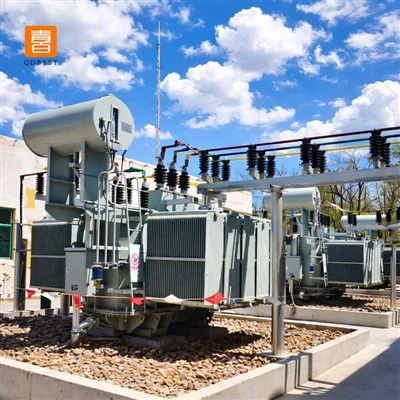
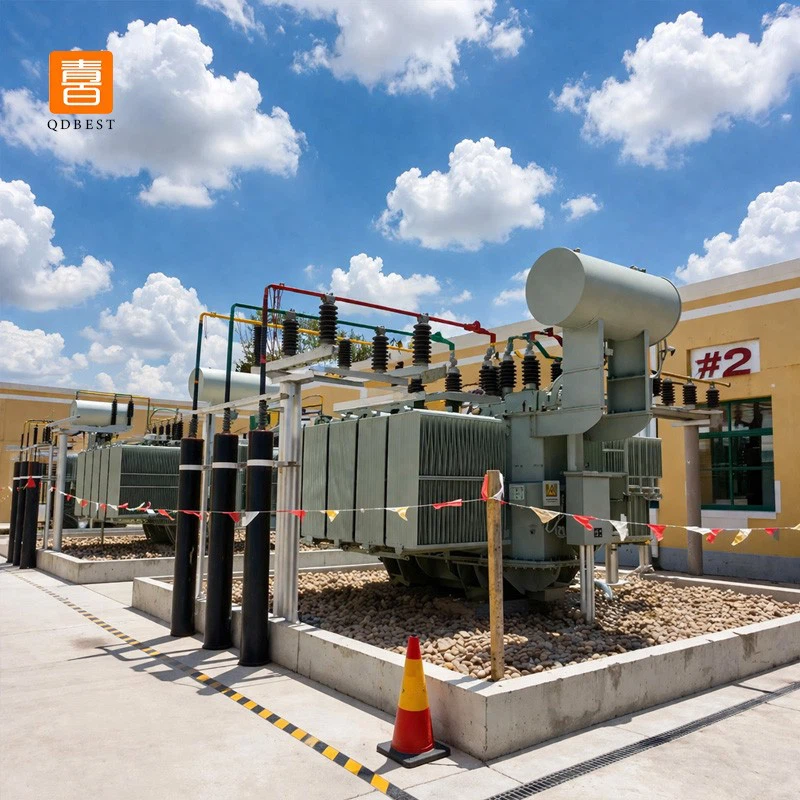
One of the primary thermal management requirements is to ensure proper cooling of the electrical equipment. Transformers, for example, are one of the most critical components in a substation, and they generate a significant amount of heat. To keep transformers cool, they are typically cooled using either oil or air.
Oil-cooled transformers use a dielectric oil to transfer heat away from the windings. The oil is circulated through the transformer and a cooling system, which can include radiators or heat exchangers. Air-cooled transformers, on the other hand, use fans to blow air over the windings to dissipate heat.
Other equipment in the substation, such as circuit breakers, switchgear, and capacitors, also need to be cooled. These components are often cooled using air or water, depending on the specific application.
Ventilation
Proper ventilation is another important aspect of thermal management in substations. Ventilation helps to remove hot air from the substation and bring in fresh, cool air. This not only helps to keep the equipment cool but also helps to prevent the buildup of harmful gases and vapors.
Substation structures should be designed with adequate ventilation openings, such as louvers or vents, to allow for the free flow of air. In addition, fans can be used to enhance ventilation and ensure that air is properly circulated throughout the substation.
Insulation
Insulation is also crucial for thermal management in substations. Insulation helps to reduce heat transfer between the equipment and the surrounding environment, which can help to keep the equipment cool. It also helps to prevent electrical shock and reduce the risk of fire.
Substation structures should be insulated using high-quality insulation materials, such as fiberglass or foam. The insulation should be installed in a way that covers all the equipment and surfaces that are exposed to heat.
Monitoring and Control
Finally, it's important to have a system in place to monitor and control the temperature in the substation. This can include temperature sensors, alarms, and control systems. Temperature sensors can be installed on the equipment and in the substation to monitor the temperature in real-time. If the temperature exceeds a certain threshold, an alarm can be triggered, and the control system can take action to reduce the temperature, such as turning on fans or adjusting the cooling system.
Meeting Thermal Management Requirements
Now that we've talked about the thermal management requirements for substation structures, let's discuss how to meet these requirements. As a substation structures supplier, we have a lot of experience in designing and building substation structures that meet the highest thermal management standards.
Design Considerations
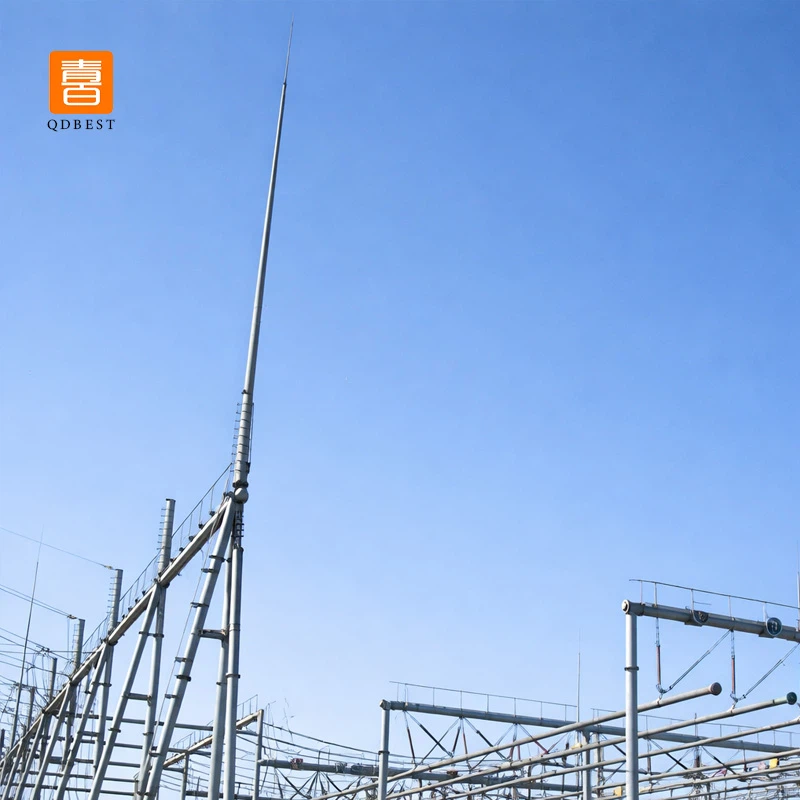
When designing a substation structure, it's important to consider the thermal management requirements from the very beginning. This includes the layout of the equipment, the ventilation system, and the insulation. The equipment should be arranged in a way that allows for proper air circulation and cooling. The ventilation system should be designed to provide adequate airflow and remove hot air from the substation. And the insulation should be installed in a way that covers all the equipment and surfaces that are exposed to heat.
Quality Materials
Using high-quality materials is also essential for meeting thermal management requirements. This includes the insulation materials, the cooling system components, and the structural materials. The insulation materials should have a high thermal resistance and be able to withstand high temperatures. The cooling system components should be efficient and reliable. And the structural materials should be strong and durable enough to support the weight of the equipment and withstand the environmental conditions.
Testing and Certification
Finally, it's important to test and certify the substation structure to ensure that it meets the thermal management requirements. This can include thermal testing, which measures the temperature distribution in the substation under different operating conditions. It can also include certification from independent testing agencies, such as UL or IEEE, to ensure that the substation structure meets the relevant standards and regulations.
Conclusion
In conclusion, thermal management is a critical aspect of substation design and operation. By understanding the thermal management requirements for substation structures and taking the necessary steps to meet these requirements, we can ensure that the substation equipment operates efficiently, safely, and reliably.
As a substation structures supplier, we're committed to providing high-quality substation structures that meet the highest thermal management standards. If you're in the market for a substation structure, or if you have any questions about thermal management, please don't hesitate to reach out to us. We'd be happy to help you find the right solution for your needs.